

SpongeBob SquarePants never did it for me. However, there is one episode I will never forget—as it informs so much of the work I do at Honey.
Let’s set the scene.
Anyone who has been within earshot of an episode of SpongeBob SquarePants knows Squidward loathes SpongeBob and, his best friend, Patrick Star.
One day, SpongeBob and Patrick’s childish antics push Squidward too far.
While fooling around with a pair of Reef Blowers, they discover the contraptions not only blow but suck. Get your head out of the gutter. Soon, they’re sucking up everything in sight—including the windows and front door off Squidward’s home.
To make things right, they attempt to blow them back on the house.
This inevitably destroys it.
Squidward—madder than a hornet in a Mountain Dew can—packs his bags and gets the hell out of Dodge. He moves into Tentacle Acres, a gated community for squids. If you are a crotchety squid, it’s a dream come true. More importantly, it provides a level of security that rivals the Pentagon, ensuring its resident mollusks are completely insulation from any troublesome sea sponges and starfish.
Welcome to Squidville.
At first, Squidward is happier than a hog in shit. He gets to ride his propeller bike, take interpretive dance lessons and play his clarinet to his heart’s delight.
With time, however, something changes within Squidward. As each day drags into the next, he becomes increasingly discontent with his life in Tentacle Acres.
While perceived perfection initially draws Squidward to Tentacle Acres, it soon becomes the bane of his existence.
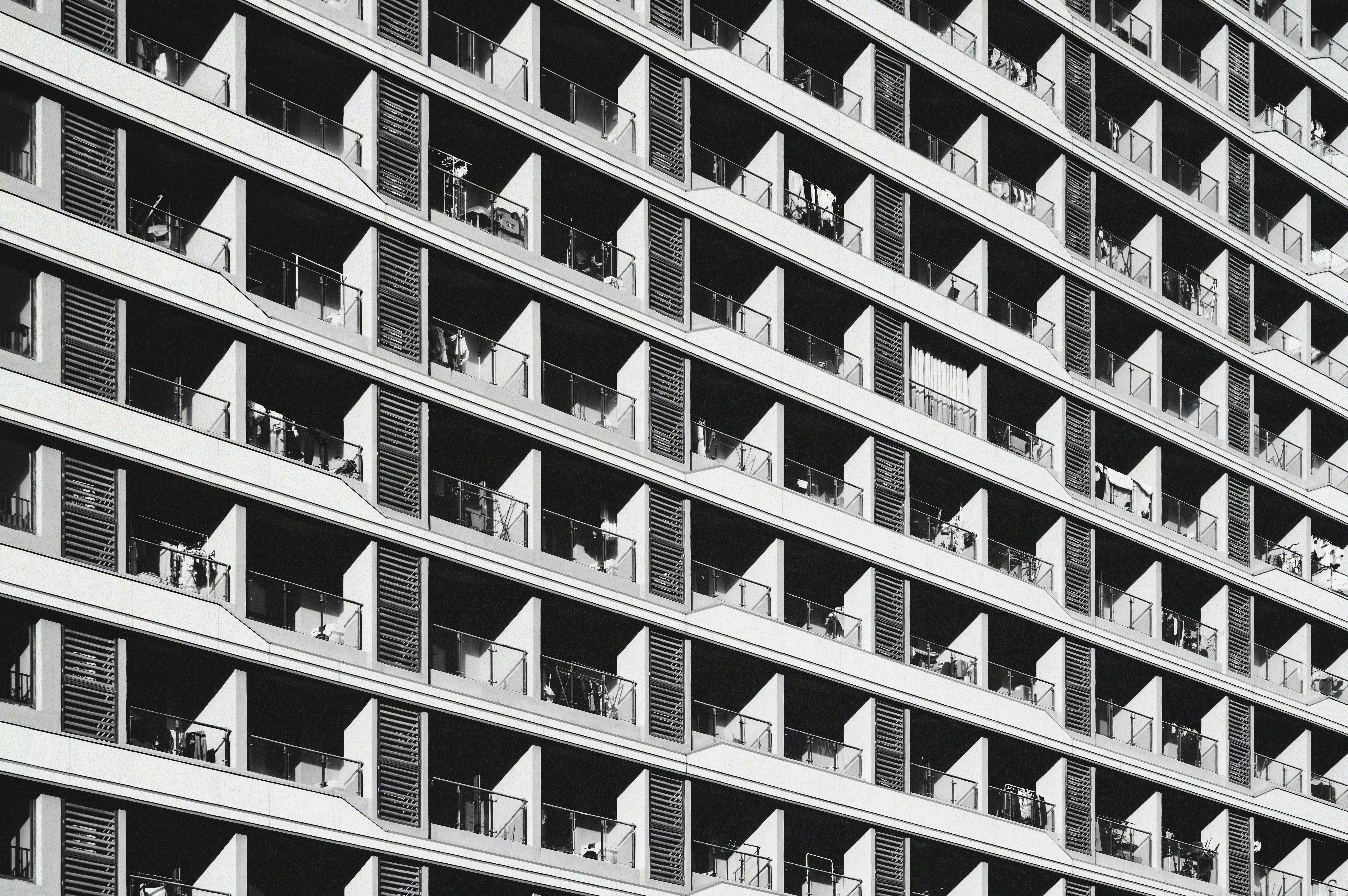
As a viewer, we see Squidward’s crash-out from a mile away (more on this later). All the houses look the same. All the canned bread tastes the same. All the squids dress the same. All the clarinets sound the same.
Squidward is drowning in a sea of sameness.
Humanity is drowning, too.
Over the last decade, everything has begun to look exactly the same.
Don’t tell me you haven’t noticed.
Coffee shops with white oak floors, exposed brick walls, Edison light bulbs and tatted baristas wearing heavy burlap aprons pouring rosewater oat milk lattes.
Apartment buildings with gray façades, black-rimmed windows, ivory quartz countertops and names like The Lofts (despite not technically being lofts).
FinTech companies with neon-blue gradients and AI-generated cartoon illustrations all claiming to “democratize” money and “revolutionize” banking.
Wellness brands housed inside dusty pink or beige bottles—with rounded edges and clinical typography—backed by glowing celebrities whispering about rituals.
Oh, and don’t get me started on dating profiles.
As a single man in his early thirties, it’s astonishing to me how many women have traveled to Machu Picchu, drink Aperol Spritzes like it’s the blood of Christ and are looking for an ambitious man—with a healthy work-life balance—who must first be pre-approved by their French bulldog.
Our psychology is partially to blame.
Each of us suffers from something psychologists call the chameleon effect.
We subconsciously mirror behaviors, mannerisms, language and aesthetic preferences of those around us in order to learn, belong, build trust, make friends and gain status.
In other words, we’re chameleons.
I used the word “suffer” earlier. But, the chameleon effect isn’t all bad. It has allowed us to survive. If we hadn’t learned to copy one another thousands of years ago, we’d have gone extinct.
Imagine what would happen if we were unable to imitate behaviors like washing our hands, properly preparing meat, avoiding murky bodies of water that might be inhabited by crocodiles and distinguishing between death cap and paddy straw mushrooms?
We’d all be dead.
However, mimicry can also lead to homogeneity.
Brands behave much like people because they’re run by people.
When an organization is considering creating something new, what’s the first thing they do? They create a mood board.
Many times, the inspiration on this mood board is pulled directly from the most successful brand(s) in their industry.
If you’re a consumer tech product wanting to open a flagship store, you’re probably going to peruse Apple. If you’re an airline trying to improve your customer experience, you’re probably going to book a flight on Delta. If you’re an AI brand hoping to launch a slick-looking website, you’re probably going to visit Palantir.
Take a stroll through the grocery store.
We see this most glaringly in the supermarket. Walk the aisles of Kroger, Trader Joe’s or Walmart. Everything looks the same. All the toothpastes look the same—as do the spices, sauces, sodas, snacks, garbage bags and detergents.
This doesn’t mean brands should stop looking for inspiration. It means they should stop looking for inspiration exclusively within their own industry.
If you’re building a bank, don’t study banks. Study museums. If you’re building an airline, don’t study airlines. Study boutique hotels. If you’re building an AI company, don’t study AI companies. Study Japanese packaging.
Again, I don’t fault these brands. Choosing to be on the side of the majority is safer, after all. However, if you want to create a brand that is like nothing your industry has ever seen before, you must go where nobody in your industry will go.
Otherwise, you risk looking like everyone else—which is to say you risk extinction.
Brands who remain leaders in their space for decades constantly reinvent themselves. They have to. Every couple of years, they look up to find their competitors are sporting the same fucking haircut. So, they head to the barber. No pun intended.
This was the case with The Beatles.
The Beatles understood something that most brands (and people) don’t.
Originality has an expiration date.
Once everyone mimics what makes you different, you’re no longer different. Hence why The Beatles were constantly reinventing themselves.
While The Beatles weren’t the godfathers of the mop-top, they brought it to the masses in the early 1960s. Beatlemania became shorthand for not only this hairdo, but collarless suits and ridiculous boots.
Soon, every competing band—and every young man for that matter—started looking like The Beatles.
So, what did The Beatles do?
They cut their hair.
Or, grew out their hair, rather.
They’ve been going in and out of style.
Consider the cover of Sgt. Pepper.
You see the band garbed in elaborate psychedelic military costumes. Beside them stand wax figures—borrowed from Madame Tussauds—of their former selves. All are mop-topped, clean-shaven and dressed in matching suits. The difference is so jarring, it’s as if the new Beatles are attending the old Beatles’ funeral.
When the world began resembling The Beatles, The Beatles stopped resembling themselves. This cycle continued until they eventually parted ways in 1970.
Brands must undergo the same reinvention.
Is it exhausting?
Yes.
But, it’s exhausting to be the best.
Originality isn’t just good for business. It’s good for humanity.
It creates a world that is more exciting to live in. Part of what makes the human experience so extraordinary, is that no experience is exactly the same.
I fear many of us are sharing in Squidward’s unhappiness. Perceived perfection has come at the cost of variety, distinction and originality.
At the end of the aforementioned SpongeBob episode, Squidward goes nuclear.
He finds a Reef Blower—the same contraption SpongeBob and Patrick used to destroy his house—and turns into a full-blown menace. Again, no pun intended.
Squidward rearranges the other squids’ faces. He sucks up the other squids’ belongings. He disrupts the peace of the perfect world that is Tentacle Acres.
As a viewer, you end the episode realizing that Squidward didn’t lose his mind. He reclaimed his sanity. He swam into the sea of sameness, then grabbed a towel and got the fuck out.
I love it especially in business whenever the latest trend comes around and then everyone recommends it and tries to make it work for themselves... just for it to turn out it never worked in the first place
Stunning, as always.